News + Events
Check out the latest Staffmark timely articles, news, and stay informed about our latest innovations, awards, service lines, and more.
News + Events
Check out the latest Staffmark timely articles, news, and stay informed about our latest innovations, awards, service lines, and more.
share article:
Cincinnati, OH, November 12, 2025
A Veteran's Mission: Health Focuses and Moving Forward
By Richard Ward, Organizational Development Manager, Staffmark Group
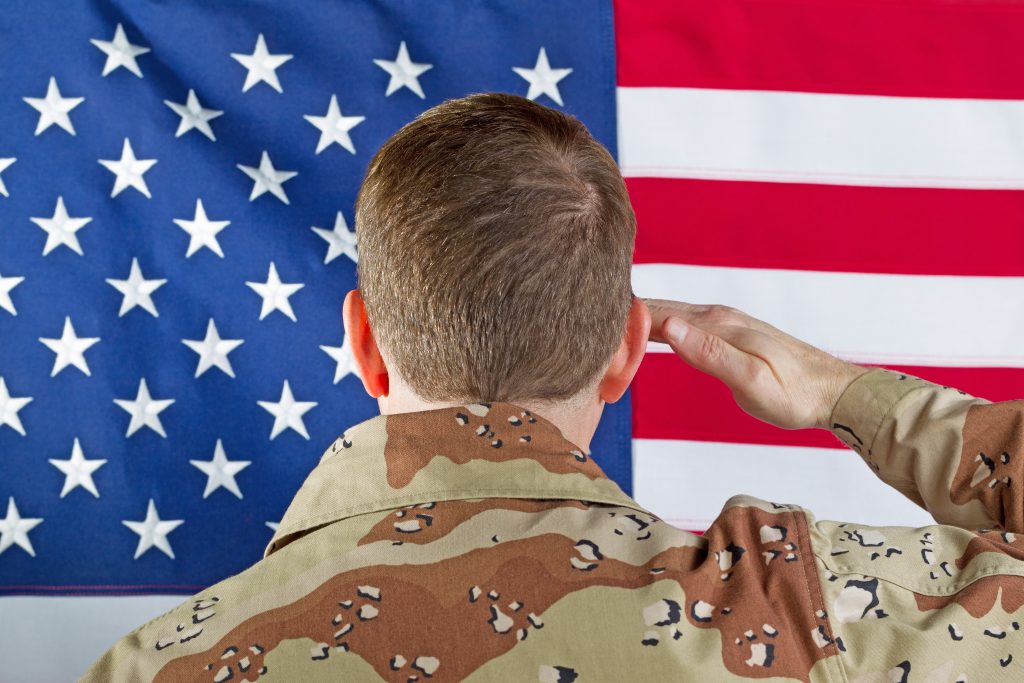
November is a powerful month. Some may naturally turn their attention to Veterans Day, honoring the commitment and sacrifice of service members. But November is also Men’s Health Awareness Month. As a U.S. Army veteran myself, I believe the two concepts of honoring veterans and shining light on men’s health should be inseparable.
My identity was shaped by my time in the military where the focus was on things like discipline, the mission, and ensuring myself and those around me pushed and made it through whatever was thrown our way. Since transitioning out of uniform, I have learned that one of the most important missions for me now is maintaining my own mental and physical health. One way I do that is by recognizing the impact my service has had on my own life and leveraging that knowledge to create a stronger, healthier future for myself.
The Weight of the Uniform
One common saying during my time in service was “Would you like a straw with that, to suck it up?” Others may have heard similar things where they were tolt to just “suck it up and drive on.”
While this mentality was sometimes essential when operating in high-stakes environments to keep things moving and protect team members, it belonged in certain places and times. Continuing this mentality outside of high-stakes environments can potentially lead to toxic understandings of mental and physical health. The drive behind this is often to not want to be viewed as “weak” or “not mission capable” by leaders, peers, or even ourselves.
When I pivoted from a highly structured Army life to the civilian world, things changed. While I received some training, it did not fully prepare for what was ahead.
The hyper-vigilance, compartmentalization, emotional suppression, and drive to protect others over myself engrained in me became roadblocks to thriving in some areas when that uniform came off. The soldier in me knows how to manage external threats, the man in me is still learning how to manage internal ones.
Translating Service Challenges into Health Awareness
The challenges we face as veterans aren’t always visible, but they are real. I will give you an example. Constant hyper-vigilance keeps my body tense, impacts my sleep, and wears down other parts of the body, including digestion. It truly takes a physical and mental toll.
Recognizing this reality taught me a critical lesson: the stress from service, whether it’s from high operational tempo, old injuries, or exposure to something else, is inseparable from mental fatigue. You can’t treat one without addressing the other.
To try and make this more understandable, and in a language I spoke for so long, I started applying Army frameworks to my new health goals. Self-care is simply a Preventive Maintenance Check and Service (PMCS) for the mind and body. It’s proactive, routine, and ABSOLUTELY non-negotiable.
And, if I need professional support, that’s not weakness, that’s part of the After-Action Review (AAR), where I took what happened and decided to improve things moving forward by seeking help. The AAR approach helps me understand the “threat” and develop a response using whatever resources I am comfortable with and have access to.
Moving Forward: My Routine
My life since active duty has fundamentally shifted from military operations to self-sustainability. It is an ongoing mission and requires constant vigilance. What I tell fellow veterans is that it takes genuine courage to admit that life has changed outside the uniform. True strength lies in adapting and seeking the right tools to win this new, lifelong fight.
For me, I define this new mission as a dedication to My Health Moving Forward. To make it happen, I have added new behaviors and routines:
- Mandatory Movement (PT): Physical training is not about looking good. It’s mandatory for mental clarity and overall well-being. The times and activities for physical training have changed since my time in service, but the benefits remain.
- Rebuild the Comradery (Connection): Isolation is the enemy on the battlefield and at home. I prioritize connection when I can and where I am comfortable doing so. Checking in with friends, leaning on family, and, crucially, talking to a professional. Being part of a team means letting your teammates help you. Don’t be afraid to ask for help.
- Sleep Discipline: I treat sleep not as a luxury but as the fundamental reset button. While not all days are perfect, I do what I can to enforce great sleep hygiene and prioritize getting much-needed rest.
Honor Your Service by Honoring Yourself
I honor my service in the choices I make today. My commitment to my well-being is absolute, and I honor myself by protecting the man who served. If my example, even in the smallest way, helps another veteran or person pause, recognize the barriers, and find the courage to ask for or seek help, then this effort is worth the cost.
In and out of uniform you have all the tools to be the best in your life now. It’s time to take accountability for your own well-being. Your family, your team, and you depend on this.
Mental Health Support
If you, or a friend or loved one, are struggling with mental health challenges, help is available 24/7. Call or text the 988 Suicide & Crisis Lifeline immediately. Veterans should press 1 to connect with the Veterans Crisis Line.
About Richard Ward:
Richard Ward is an Organizational Development Manager at Staffmark Group and U.S. Army veteran with over a decade of leadership and operational experience. He’s passionate about helping organizations and people grow through data-driven strategies, purposeful leadership, and continual learning.

One Response